
Automating a Finished-Goods Packaging Line
Automate a finished-goods packaging line without stopping production.


Production automation — design, installation, commissioning.
Modern production requires not only reliable equipment, but also effective control of process operations. Production automation reduces the number of manual operations, increases the repeatability of process cycles, and provides more control over equipment operation.
ELS Systems develops and implements solutions for enterprises that need to automate a specific production area, upgrade existing equipment, or create a new control system.
A project can cover the entire scope of work — from analyzing the production task and design to manufacturing components, installation, programming, commissioning, and launch.
Process automation starts with an analysis of the production task, not with selecting a specific piece of equipment or software.
Every enterprise has its own technology, equipment, and sequence of operations. That’s why, before starting a project, it is necessary to determine how the production area currently works, which operations need to be automated, and what result should be achieved after implementing the system.
At this stage, we analyze:
This approach allows a technical solution to be formed according to real operating conditions.
After analyzing the source data, the architecture of the future system is determined. The required functions, equipment operating algorithms, data exchange methods, and interaction between individual components are taken into account.
ELS Systems specialists develop the technical documentation needed to implement the project. If automation is being deployed in an operating facility, the design takes into account existing lines, equipment, and their subsequent operating characteristics.
Depending on the task, the system can provide:
After design is complete, the components needed to implement the system are prepared. Depending on the task, these can include:
ELS Systems’ own production facility allows design work and the manufacturing of the necessary components to be combined within a single project.
This simplifies coordination between the design, production, and installation stages.
After the equipment is prepared, the system moves to the implementation stage. Component installation, connection of the electrical part, and integration of the system with production equipment are carried out.
Installing automation systems requires taking into account the specifics of a particular site, so the work is carried out according to the agreed technical documentation.
Special attention is paid to the interaction of new components with already installed equipment. For an operating facility, it is also important to consider process constraints and the conditions for carrying out work without unnecessary interference with the current process.
After installation is complete, the operation of the system’s components is checked and commissioning is carried out.
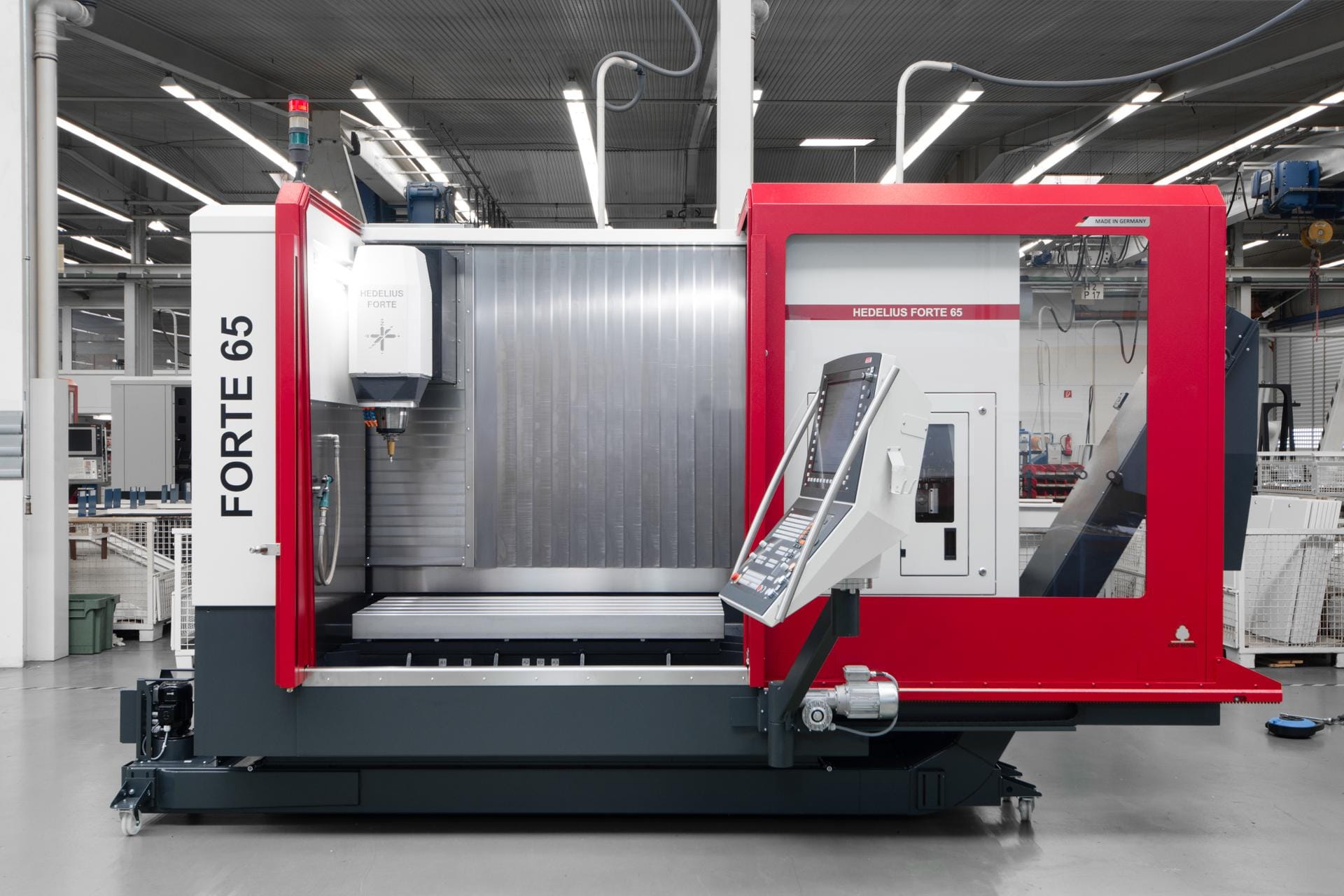
Depending on the project, we test:
Based on the test results, additional adjustments and algorithm corrections may be made.
After commissioning is complete, the system is handed over for operation according to the agreed project parameters.
For a manufacturing enterprise, automation is not just about installing individual components. It is important that the system matches the process and correctly interacts with the equipment already operating at the enterprise.
ELS Systems is primarily focused on B2B projects and implements solutions for industrial enterprises. Depending on the task, automation can cover a single mechanism, a production area, or a complex of interconnected equipment.
This format allows the solution to be adapted to specific production conditions, rather than using the same configuration for different enterprises.
The effectiveness of an automation system depends not only on individual components. Proper design, alignment of the solution with the process, quality installation, and correct commissioning all matter.
ELS Systems combines a design and engineering department, its own production facility, and experience implementing industrial projects.
Depending on the task, the work can cover the entire cycle — from analyzing the production task and developing documentation to manufacturing, installation, commissioning, and launch of the system.
Automation does not always require a complete replacement of production equipment. In many cases, it makes sense to upgrade a single unit or add a control system to already operating equipment.
During such a project, we analyze the capabilities of the existing system, its technical condition, how it interacts with other units, and the tasks that need to be solved.
Based on this data, we determine which components need to be replaced, added, or integrated into the existing system.
For initial review, it is enough to provide a description of the production task, information about existing equipment, and the expected result.
If possible, it’s worth adding:
If complete documentation is not available, work can start with a description of the production task. ELS Systems specialists will analyze the source data, determine possible implementation options, and propose a further format of work.
From automating a single unit to a comprehensive control system — the project starts with understanding the process and the specific task of the enterprise.
Production Automation is often combined with other production operations — everything can be ordered within a single production cycle:


