
Repair and Modernization of a Conveyor Line
Modernize an operating conveyor line without stopping production.
- Material steel, stainless steel
- Equipment Laser Cutting Machine S-Laser F1530 (6 kW, MAX Photonics)


Industrial equipment installation — commissioning by ELS Systems.
Even correctly designed and manufactured equipment needs to be properly installed on the production site, connected, and prepared for operation. At this stage, not only the installation operations matter, but also whether the placement matches the project requirements, correct connection of individual units, and system checks before launch.
ELS Systems performs industrial equipment installation and commissioning work. Depending on the project, the work can cover the entire process — from preparation for installation and setting up the equipment to its connection, commissioning, and handover for operation.
Preliminary preparation allows the sequence of installation operations to be determined and issues that need to be resolved before installing the equipment to be identified in advance.
ELS Systems specialists analyze the technical documentation, the specifics of the site, and the requirements for placing the future installation.
At this stage, we take into account:
If the equipment is being integrated into an operating production area, we additionally assess its compatibility with existing units and the enterprise’s infrastructure.
After the equipment is delivered, it is placed according to the project documentation. Depending on the design, installation can include assembling individual sections, setting up units, fixing elements, and joining them into a single system.
Installing production equipment means more than just placing a structure in a defined spot. It is important to ensure the correct relative position of its components, the ability to connect it, access for maintenance, and compliance with the intended operating scheme.
If an installation consists of several modules, their fit, relative positioning, and compliance with the overall layout are checked during installation.
After mechanical setup, the connections provided for by the project are made. Their scope depends on the type of equipment and the specific technical solution, so the list of work is determined separately for each site.
Projects in which new equipment becomes part of an operating production line require special attention. In such cases, it is necessary to ensure correct interaction between new and existing units and take into account the operating conditions established at the enterprise.
Completing installation doesn’t yet mean the equipment is ready for regular operation. Before launch, we check the correctness of assembly and connections, the operation of individual mechanisms, and the functioning of the system as a whole.
During commissioning, the checks provided for by the project are carried out, working parameters are configured, and the interaction of the main units is assessed.
If needed, additional adjustments are made, after which the equipment is prepared for its intended operating mode.
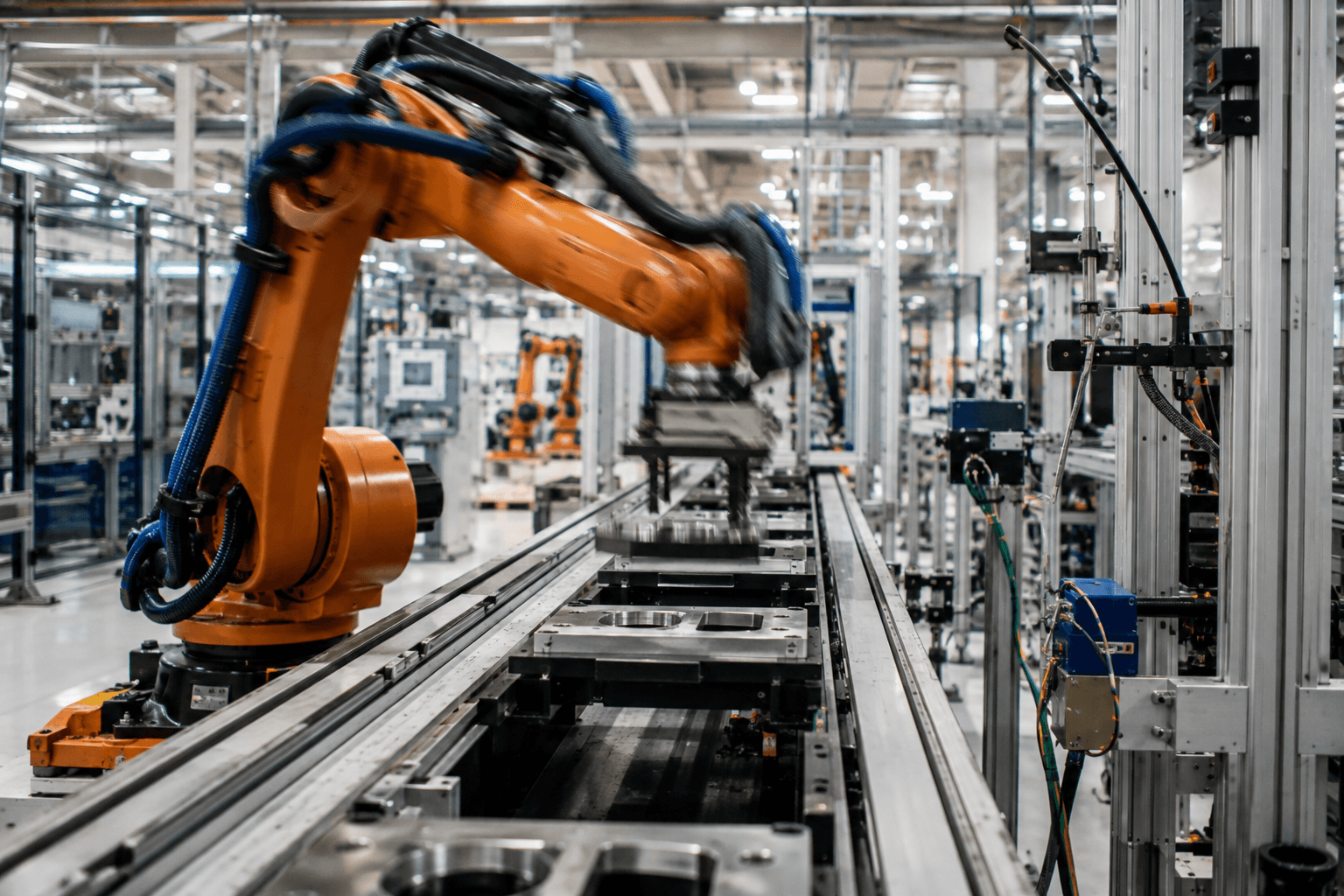
Thus, installation and commissioning are related stages of a single project: first the equipment needs to be correctly installed and connected, and then its operation needs to be checked once assembled.
Installation work is not only needed when launching new production. It can be part of upgrading an operating line, replacing a single installation, or setting up an additional production unit.
Such projects take into account the constraints of the existing site. The new component must fit in the intended location, be compatible with adjacent equipment, and match the current production scheme.
ELS Systems can join a project at various stages — from setting up already finished equipment to participating in its design and manufacturing.
ELS Systems has its own design and engineering department and production facility. Depending on the task, the company can design custom equipment, manufacture its components, carry out assembly, and then perform installation of the finished structure at the customer’s site.
In this format, installation becomes the final stage of an integrated production project. The installation team works with equipment whose design and technical documentation have already been worked out at previous stages.
This approach is especially relevant for B2B and B2G projects with custom installations, production complexes, and equipment created for the specific conditions of an enterprise.
After installation and commissioning work is complete, the equipment’s readiness for operation is checked according to the agreed scope of the project.
The customer is handed a system that has been installed and prepared for operation. If the project includes further service maintenance, cooperation can continue after the equipment is put into operation.
ELS Systems also provides a warranty for the installation work performed, according to the agreed terms.
For a preliminary assessment, send information about the equipment, technical documentation, and data about its installation site.
If the equipment needs to be integrated into operating production, it is also advisable to provide information about the existing line and the systems the new installation needs to interact with.
ELS Systems specialists will analyze the source data and determine the necessary scope of work and the sequence of stages — from setup and connection to commissioning and handover of the equipment for operation.
If installation is part of an integrated project, design, manufacturing of components, assembly, and automation of the equipment can also be included in a single production cycle.
Installation is often combined with other production operations — everything can be ordered within a single production cycle:


