
Repair and Modernization of a Conveyor Line
Modernize an operating conveyor line without stopping production.
- Material steel, stainless steel
- Equipment Laser Cutting Machine S-Laser F1530 (6 kW, MAX Photonics)


Custom equipment manufacturing to order — ELS Systems.
Off-the-shelf equipment does not always fit the conditions of a specific enterprise. The reason can be the particulars of the process, non-standard product dimensions, limited workshop space, or the need to integrate a new unit into an already operating production line.
In such cases, ELS Systems designs and manufactures custom equipment according to the customer’s technical specification.
Work on the project can cover the entire production cycle: engineering development, documentation, manufacturing of metal and mechanical components, welding, assembly, and inspection of the finished solution.
The need for special equipment arises when a ready-made model cannot be adapted to a specific production process. For example, an enterprise may need to perform a specific operation, work with products of a certain shape or size, upgrade a particular section, or replace an outdated unit.
Custom industrial equipment is also relevant for new projects where a technical solution is created for a given technology. The starting point here is not a catalog of ready-made models, but the functions and parameters the future equipment must meet.
Such tasks are typical primarily of B2B and B2G projects, where equipment must be adapted to a specific process, production area, or the technical requirements of an enterprise.
The customer provides a technical specification and available source data: the purpose of the equipment, required operations, installation conditions, product characteristics, and other parameters affecting the future design.
ELS Systems’ design and engineering specialists analyze the requirements and determine how to implement them. The layout, main units, dimensions, relative positioning of elements, and manufacturability are worked through.
If the technical specification describes the required result but no ready-made design solution yet exists, it is developed based on the agreed requirements.
After the concept is agreed, the documentation needed for production and assembly is prepared. At this stage, the design of individual elements, their relative positioning, and fastening and joining methods are determined.
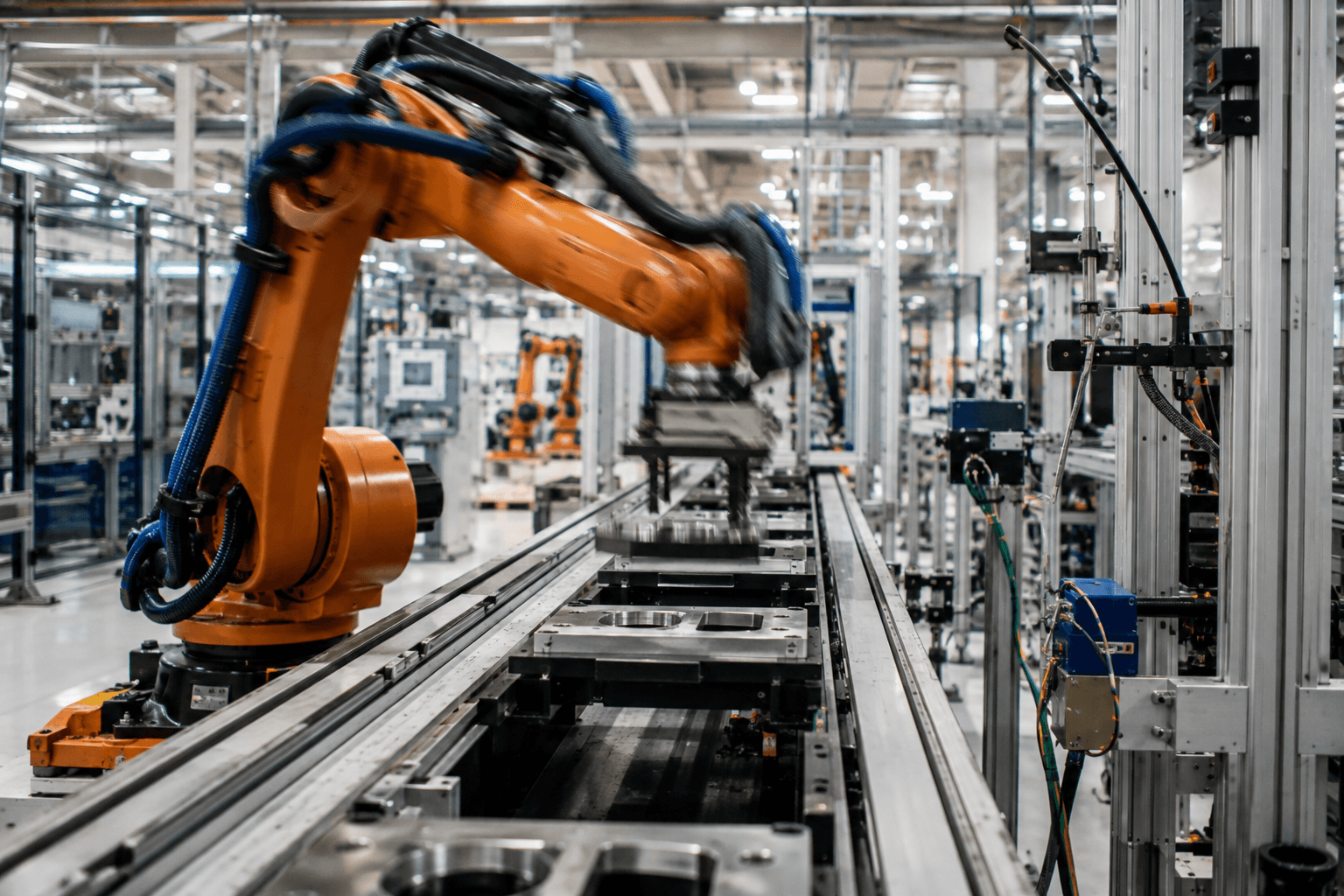
If the equipment needs to be integrated into current production, the installation location, connection points, available space, and other technical constraints defined by the customer are taken into account.
This allows the future equipment to be linked to the real conditions of its installation and operation as early as the design stage.
After the documentation is prepared, the project can move directly into ELS Systems’ production. Depending on the design, the following are applied:
The ability to perform different operations within a single production cycle is important for manufacturing custom equipment. Frames, housings, brackets, and mechanical components must not only conform to individual drawings, but also be compatible with each other as part of the finished structure.
The composition of the equipment is determined by its purpose and functions. Depending on the project, ELS Systems can manufacture:
One project may need a welded frame with machined parts, while another needs a housing, a fastening system, and special working elements.
That’s why the composition and sequence of production operations are determined separately for each project.
During assembly, we check the relative positioning of units, mounting locations, joints between elements, and the overall structural geometry.
If the equipment consists of several functional parts, it is important to ensure their compatibility within the finished product.
Inspection is carried out according to the technical documentation and the agreed requirements of a specific project. This allows us to assess not only individual components, but the result after assembly.
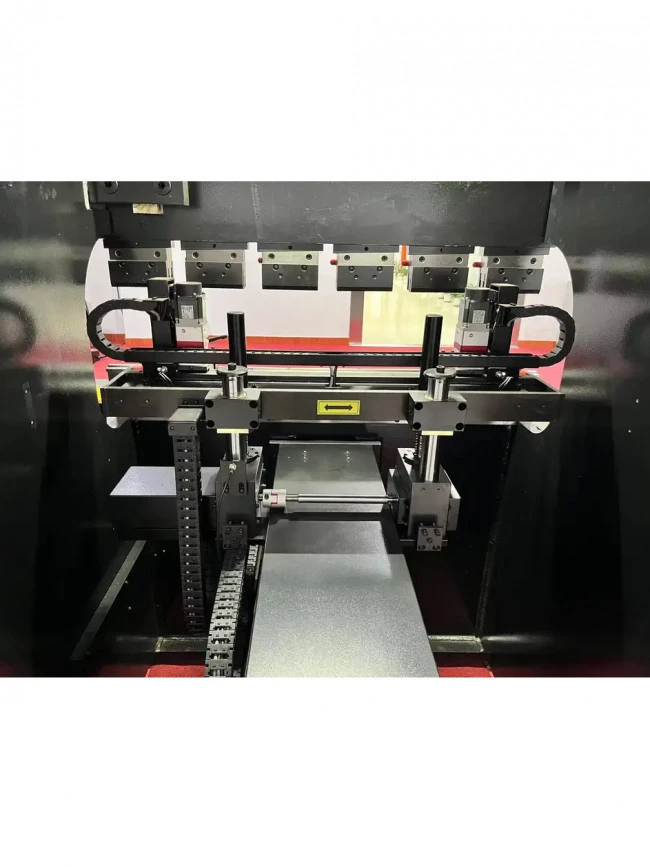
A special design may be needed not only when launching new production. Often the task is to upgrade an already operating line: a new unit needs to be added, a particular mechanism replaced, or a work area adapted to different products.
In such a case, the new solution must account for the parameters of the already installed equipment, available space, connection points, and other constraints.
This is why a standard model is not always the optimal solution without design refinement.
Manufacturing custom equipment requires coordinated work between designers and production specialists. At ELS Systems, a project can cover the entire cycle — from developing documentation to manufacturing, assembly, and inspection of the finished product.
This approach allows us to:
For the customer, this means one coordinated production process instead of handing off different stages to several independent contractors.
To order custom equipment, send ELS Systems a technical specification or the available source materials. Describe which production process the equipment is needed for and what functions it must perform.
If possible, add information about:
If a finished project is not yet available, work can start with a description of the production task. ELS Systems specialists will analyze the source data, assess feasibility, and determine the next stages — from engineering and documentation development to manufacturing and assembly of the equipment.
Send us your technical specification or describe your production task — we’ll help determine the optimal format for implementing the project.
Custom Equipment Manufacturing is often combined with other production operations — everything can be ordered within a single production cycle:



